
Many businesses think they need to choose between a beautiful website and a fast one.
In reality, the websites that generate the most enquiries combine both.
Imagine walking into the front office of a business. You see messy desks, dirty carpets, unclear directions and a receptionist who takes five business days to answer your questions.
Your first impression has been ruined.
If this is how they present their business to potential customers, why should you trust them with your money?
When a user visits your website, they are stepping into the virtual front office of your business. The impression you make will change what they ultimately do next.But what does it mean to build professional business websites?
Common advice often discusses two competing objectives. How your website looks, and how fast it is to load. You have probably been warned about focusing too much on one, and not enough on the other.
However, website design and website performance can, and should, work together.
In this guide, we'll explain how to tackle both design and performance sufficiently, why both matter to modern professional website design, how they influence lead generation, and what you can do to create a website that attracts, engages, and converts.

Website design vs website performance: why they both matter to your website
Website design
Website design focuses on how your website looks, feels and functions for visitors. Good design should help your visitors quickly understand who you are, what you offer, and what they should do next.
Strong web design should consider the following:
Website performance
Website performance refers to how efficiently your website operates. A high-performing website ensures users can access your content quickly without delays or frustration.
Modern website performance optimisation should take into account:

Why website design matters for lead generation
Picture yourself running out of that front office the second you spot the dying plants in the waiting room. This is how website visitors work, albeit behind a desk or on their phone.
These days, your audience don’t have time to kill – nor the attention span to be eased in slowly. Indeed, you will typically find that as many as 40% of users will click off your site in under 10 seconds.
Keeping that percentage as low as possible is vital if you want to get leads through the door and into your inbox.
That's why website design for lead generation isn't simply about aesthetics and pretty pictures. Your website design should be focused on building trust, clarity, and credibility, guiding users towards taking a desired action.
Good website design for businesses reduces friction, confusion and frustration throughout the customer journey. This is vital when looking at your website conversion rate optimisation.
A conversion-focused website design helps visitors:
Factors which influence conversions include:

But website performance matters too…
Imagine clicking on a website that takes six seconds to load....
You’re not waiting this long. Nobody is.
Human beings have become impatient with our technology. Statistics show that 32% of users will abandon a site which takes more than 2 seconds to load.
So being fast is not optional. Visitors expect websites to load almost instantly, particularly on mobile devices.
This is why website performance optimisation has become a critical part of digital marketing. After all, what use is a great website that nobody sticks around to see?
Website performance directly impacts:
Common website performance issues:
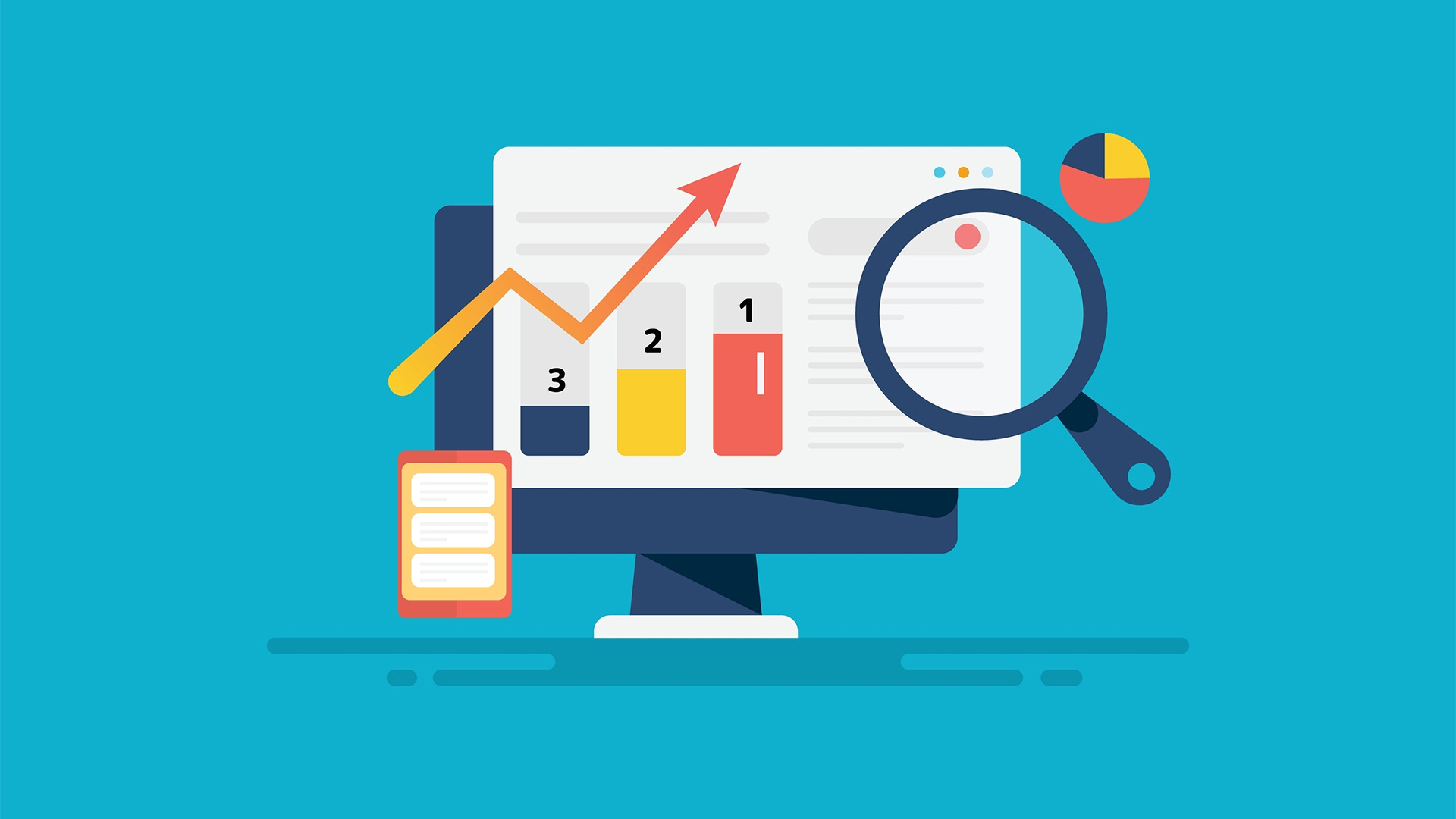
How website performance impacts your SEO
Search engine optimisation is ultimately about understanding what search engines like Google are expecting from your site when they decide your rankings.
The exact criteria search engines use to rank websites might change with time, but the actual intent has always been the same:
Search engines want to deliver the best possible experience to the end user.
That's why page speed and user experience are important ranking signals which will significantly change how many users search engines will want to send to your site.
A high-performing website isn't just important for Google Search either. Artificial intelligence-powered search experiences also favour websites that are fast, accessible and easy to understand. Generative Engine Optimisation (otherwise referred to as GEO) is becoming an important activity alongside SEO and understanding how AI views your site is now a must.
Having a high-performing website certainly doesn't guarantee higher rankings or improved AI references in isolation, but it removes barriers that may be holding your website back from higher visibility and will give you a leg up on other, less optimised, websites.

Making your business’ website design and website performance work as one
Professional business website design doesn’t mean choosing between appearance and speed.
Instead, it balances:
Many businesses spend thousands on redesigning their website only to overlook the technical side. The consequence is unfortunately a visually stunning website – but one that's slow, difficult to use and ultimately generates fewer leads.
The opposite is also true. A technically perfect website that feels outdated or confusing can discourage visitors just as quickly.
That's why website optimisation for conversions combines both technical performance and thoughtful design, and reliable performance to your users.
When design and performance complement each other, visitors are more likely to stay, engage and become customers.

So what makes a high-converting website?
The answer isn't one feature, but a combination of many elements working together. Every improvement reduces friction and increases the likelihood of generating enquiries.
Your high-converting website checklist:
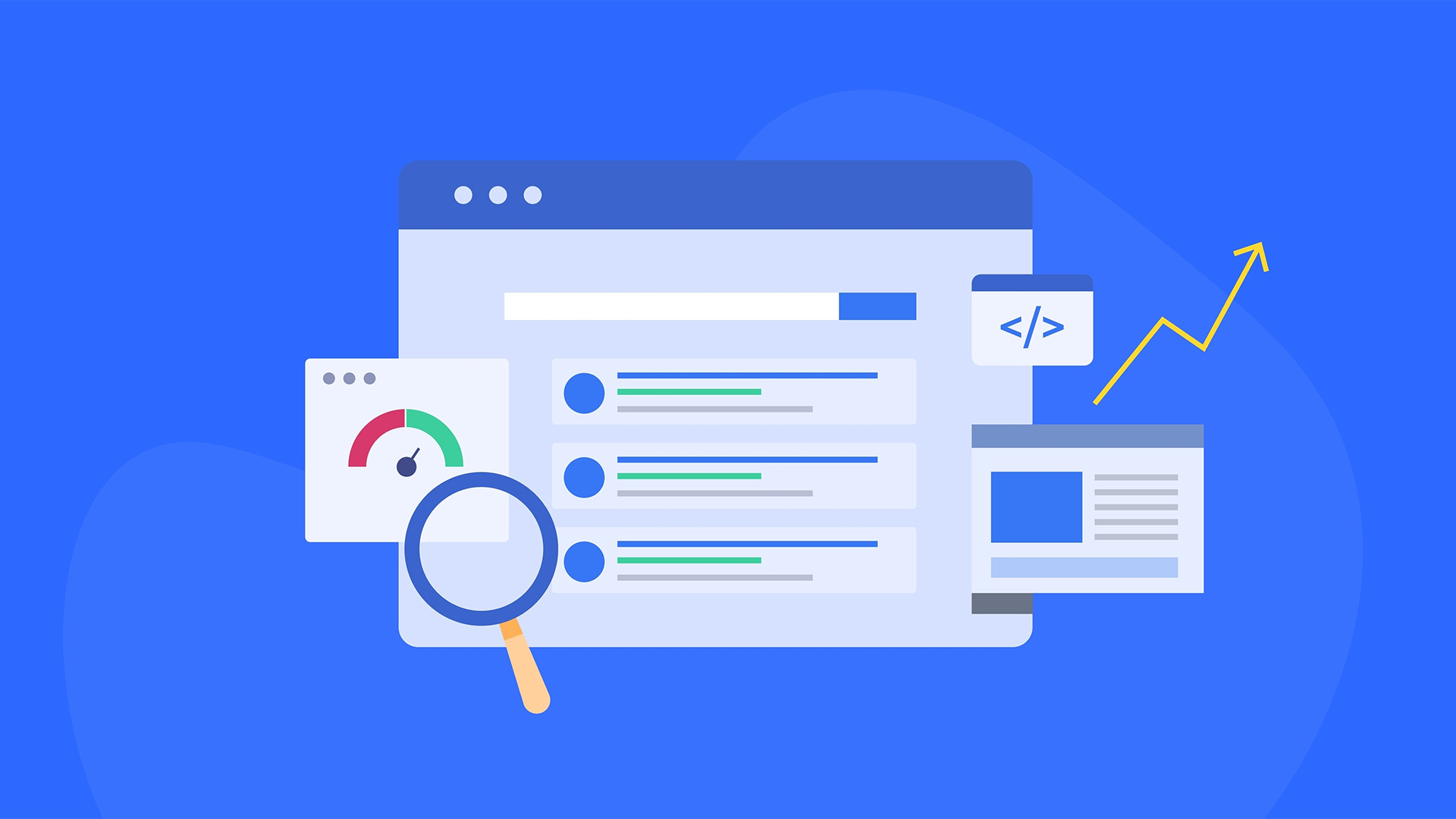
Website design tips for lead generation
Prioritise the user experience (UX)
A positive website user experience (UX) keeps visitors engaged and helps them find what they are looking for. Strong and professional website design should consider modern UX design best practices from the very outset of the design process.
If you would like to learn more about designing for UX and accessibility, read our previous blog post.
Create clear calls-to-action
Every website, especially a lead generation website, should encourage users to take the next step and continue their journey. This can be as simple as suggesting the next page for them to visit, a resource they might be interested in, or the opportunity to get in touch with you directly.
These are examples of clear, concise calls-to-action:
Keep forms simple
Nothing turns an interested user away faster than a complex contact form which asks a million questions which have nothing to do with your enquiry. Only ask for information you genuinely need.
Give your forms a clear design which communicates what information you are asking for, which information is required or optional, and help your users correct mistakes by validating fields such as emails or phone numbers.
Build trust and authority throughout
Nothing builds trust quicker than seeing your previous customers sharing their positive experiences about your service or products.
Take opportunities to use valuable social proof as often as possible on your website, such as:
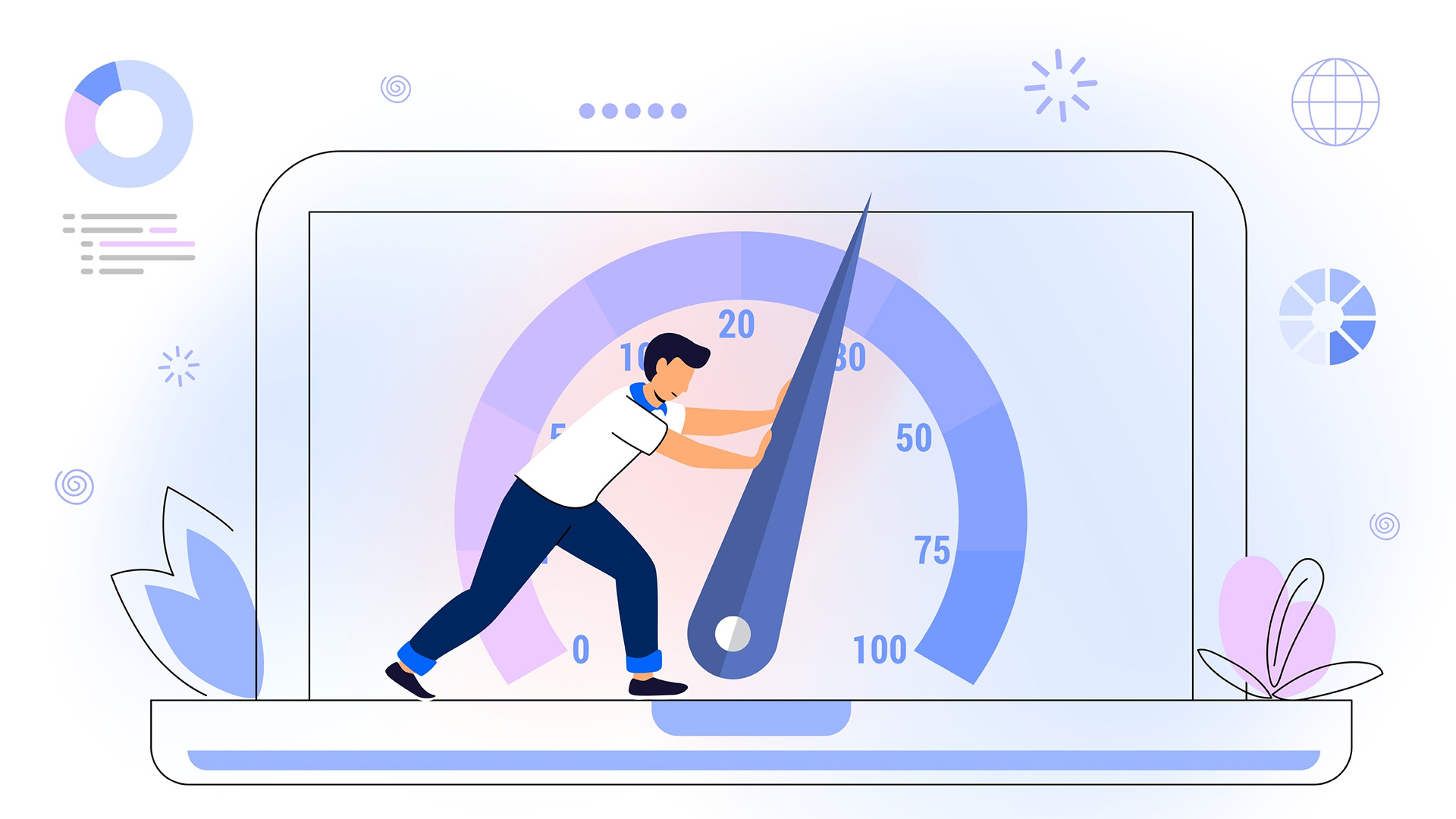
How to optimise website performance for leads
Use website speed test tools
Tools like Google PageSpeed Insights are designed to help you understand not just how quick your website is to load, but also where potential areas for improvement can be found. Take the time to look at your performance and understand where improvements can be made.
Compress your images
Large images are one of the most common causes of slow websites. Use modern image formats for browsers such as WEBP and optimise file sizes before uploading.
Improve your website hosting
If your hosting is what is slowing down your website’s load times, then it might be time to look elsewhere.
Remove or minimise unnecessary code
Stay on top of the code of your site. If you have stylesheets or scripts not in use, then removing them can significantly boost your load times. Minifying or combining vital scripts and stylesheets is another way of reducing the toll they will take on your load times.
Enable browser caching
Browsers like to store files such as scripts and stylesheets from your site so that returning visitors don’t have to redownload them on every visit, speeding up your site’s loading time. It is worth checking that your site allows browser caching for your users.
Optimise for mobile
The days of treating mobile as an afterthought are long gone. Studies show that well over half of all website traffic is from mobile devices.
Monitor Core Web Vitals
Don’t simply launch your site and then forget all about it. Regularly review performance metrics to identify areas for improvement. Even the smallest of changes can make a big difference for the end user and to your SEO performance. A Core Web Vitals assessment can be a great way of achieving this.

How a professional website development services agency can help
Designing professional websites which perform well across all areas requires expertise across multiple disciplines.
If you are unsure about how to develop a website built to maximise both design and performance, then working with an award-winning agency like Flamingo Marketing Strategies can help.
Alongside website design and development services, Flamingo Marketing Strategies also offer Lead Generation strategies, as well as Creative Services to back up your website with a full-service marketing strategy.
If you'd like to learn more, than you can download our brochure, or alternatively book a strategy call to discuss how we can support you directly.
Agencies which offer professional website development services typically combine: